
Recent Lemon Law Results
In Their Words
Does This Sound Like a Lemon?
These are signs, not guarantees. Every repair history is different, so an attorney has to look at the details.
Often not enough on its own
- A problem the dealer fixed on the first visit that has not come back.
- A used car bought from a dealer or a private seller, even if some of the manufacturer's warranty was left.
- A minor annoyance that does not really affect how the vehicle drives, what it is worth, or how safe it is.
- A problem the manufacturer's written warranty does not cover. The buyback rules are tied to that warranty.
- A vehicle bought mainly for a business that has more than five vehicles registered in California.
- A short rental of four months or less, which this law does not treat as a lease.
Not sure? Ask. A free review costs you nothing.
Worth a closer look
- Repeated repairs after the first 18 months or 18,000 miles, while the manufacturer's warranty still applies.
- A leased vehicle. People who lease generally have the same rights as people who buy.
- A certified pre-owned vehicle. These depend on the details.
- A demonstrator or dealer-owned vehicle sold with a manufacturer's new car warranty.
- Several different problems that, added together, kept the vehicle in the shop for weeks.
- A small business vehicle under 10,000 pounds, if the business has five or fewer vehicles registered in California.
- An active duty service member who bought the vehicle in another state while stationed in or living in California.
Points toward a case
- In the first 18 months or 18,000 miles, the same problem has been in for repair four or more times.
- In that same window, a problem that could cause death or serious injury has been in for repair two or more times.
- In that same window, the vehicle has been out of service for warranty repairs more than 30 days in total.
- The problem affects how the vehicle drives, what it is worth, or how safe it is, and it keeps coming back.
Signs, not guarantees. Every situation is different.
Four Numbers California Uses to Measure a Lemon
Within 18 months or 18,000 miles, the law presumes the manufacturer has had a reasonable number of repair attempts if any one of the events below happens. The manufacturer may try to rebut that presumption, and meeting it is not the only way to qualify.
Counted from delivery to you, whichever comes first.
The same problem was repaired four or more times, and you told the manufacturer directly at least once, when the warranty or owner's manual clearly requires that notice.
A problem likely to cause death or serious injury was repaired two or more times, with the same direct notice to the manufacturer.
The vehicle spent more than 30 days in total in the shop for warranty repairs since delivery.
How a Lemon Case Builds, One Repair at a Time
A hypothetical: Theo buys a new SUV. Here is what his repair history might look like within the first 18 months.
The transmission jerks when shifting. The dealer updates the software.
Same jerking. The dealer replaces a sensor.
Same problem. The dealer replaces a transmission part.
Same problem again, now on the freeway.
Four repair visits for the same problem within 18 months and 18,000 miles, and 32 days in the shop in total. Under California's benchmarks, a history like Theo's may qualify, if he also notified the manufacturer directly when the warranty or owner's manual requires it. Every repair history is different.
What a Lemon Law Buyback Covers
When a manufacturer is unable to fix a new vehicle to match its warranty after a reasonable number of attempts, California law requires it to replace the vehicle or buy it back. Here is what a buyback generally includes.
Generally included
- Your down payment
- The monthly payments you have made
- Your most recent registration
- Paying off your remaining loan balance to the lender, or what is left on your lease
Depends on the facts
- Repair, towing, or rental car costs you paid because of the problem may be added, depending on the facts
Generally not included
- Manufacturer rebates, since you did not pay them
- Service contracts, extended warranties, and other optional add-on contracts
- Items installed by the dealer or by you that did not come from the manufacturer
Attorney's fees and costs
California's lemon law lets a buyer who wins recover reasonable attorney's fees and costs from the manufacturer. Our fees and costs are charged to the manufacturer, and we do not take a fee from the buyback amounts you recover. If a case also recovers additional damages beyond the buyback, such as a civil penalty, your fee agreement explains how those are shared.
Beyond the buyback
If the manufacturer's failure to follow the law was willful, a court may add a civil penalty of up to two times your actual damages. Whether that is available depends on the facts.
The mileage deduction
The manufacturer may subtract an amount for the miles you drove before you first brought the vehicle in for the problem, based on the vehicle's cash price. The law sets the formula:
What to Pull Together Now
You do not need everything to start. These are the papers and records that usually matter most.
Paperwork
- Every repair order, including any that say the dealer could not find a problem
- Your purchase or lease contract
- Your vehicle registration
- Any written communication with the manufacturer or the dealership, including service advisors, whether by text, email, or mail
Proof of the problem
- Photos or videos of the problem when it happens, including warning lights on the dash
- Receipts for towing, rental cars, or repairs you paid for yourself
- The current mileage
From Your First Call to the Manufacturer's Answer
Start with a free case review. Our intake team speaks with you first about the vehicle, the problem, and each repair visit. No recovery, no fees or costs.
An attorney then reviews the repair orders, the days out of service, and the warranty to see whether the vehicle may qualify.
If we take the case, we prepare a written demand asking the manufacturer to repurchase or replace the vehicle, built from the repair history.
Under California's newer lemon law procedures, you generally must still have the vehicle when a buyback demand is sent, and keep it at least 30 days after the manufacturer receives it (60 days if the manufacturer makes an offer). Talk to us before you sell or trade it in.
Some manufacturers make an offer; others do not. If the claim is not resolved, the next step may be a state-certified arbitration program or a lawsuit.
Frequently Asked Questions
Do I have to tell the manufacturer about the problem myself?
Sometimes. For the repair-count benchmarks, the law expects you to notify the manufacturer directly at least once, but only if the manufacturer clearly disclosed that requirement in the warranty or owner's manual. Any required notice goes to the address the manufacturer lists there.
Is there a deadline?
Yes, and it depends on the vehicle. For manufacturers that chose California's newer lemon law procedures, a lawsuit generally must be filed within one year after the warranty expires, and no later than six years after the vehicle was first delivered. Some time, such as days the vehicle is in the shop, may not count against you. The manufacturer must tell you when a new vehicle is sold which procedures govern it. Because deadlines vary, it is safer to ask early. Don't rely on this page to calculate your deadline; the right one depends on your facts.
Do I have to go to arbitration first?
Not always. Some manufacturers offer a state-certified arbitration program, and there is no cost to the consumer to file. If a qualified program exists and you were properly told about it in writing, you generally must use it before relying on the law's repair presumption. The manufacturer is bound by the decision if you accept it; if you are not satisfied with it, you may still pursue your rights in court.
Will a buyback return everything I paid?
Not always every dollar. The manufacturer may subtract an amount for your use of the vehicle before you first brought it in for the problem. Under the statute, that amount is the vehicle's cash price multiplied by the miles driven before that first repair visit, divided by 120,000. For manufacturers under the newer procedures, some third-party add-ons and negative equity rolled in from a prior vehicle may also be deducted.
I bought my car used. Does any of this apply?
Generally, no. The buyback rules are for new vehicles, and a used car generally does not qualify once it has been sold, even if some of the manufacturer's warranty was left. A certified pre-owned vehicle is less clear and may be worth asking about.
What does it cost to find out if I have a case?
Nothing. The case review is free. No recovery, no fees or costs.
Laws and Official Guidance Referenced
The California laws and agency guidance this page refers to. This page is general information, not legal advice for your situation.
- California Civil Code section 1793.2 (manufacturer's duty to replace or make restitution)
- California Department of Consumer Affairs, Arbitration Certification Program: Frequently Asked Questions
- California Civil Code section 1793.22 (Tanner Consumer Protection Act: repair presumption)
- California Civil Code section 1791 (definitions, including lease and member of the Armed Forces)
- California Civil Code section 1795.4 (leased vehicles)
- California Civil Code section 1795.8 (members of the Armed Forces)
- California Civil Code section 1794 (damages, civil penalty, attorney's fees and costs)
- California Department of Consumer Affairs, Arbitration Certification Program: State-Certified Arbitration Information
- California Code of Civil Procedure section 871.24 (pre-suit notice, newer lemon law procedures)
- California Code of Civil Procedure section 871.29 (manufacturer election and notice to buyers)
- California Code of Civil Procedure section 871.21 (filing deadlines, newer lemon law procedures)
- California Code of Civil Procedure section 871.27 (restitution calculation, newer lemon law procedures)
- California Civil Code section 1795.5 (used goods sold with an express warranty)
- California Department of Consumer Affairs, Arbitration Certification Program: New Lemon Law Procedures
 Eli Banayan
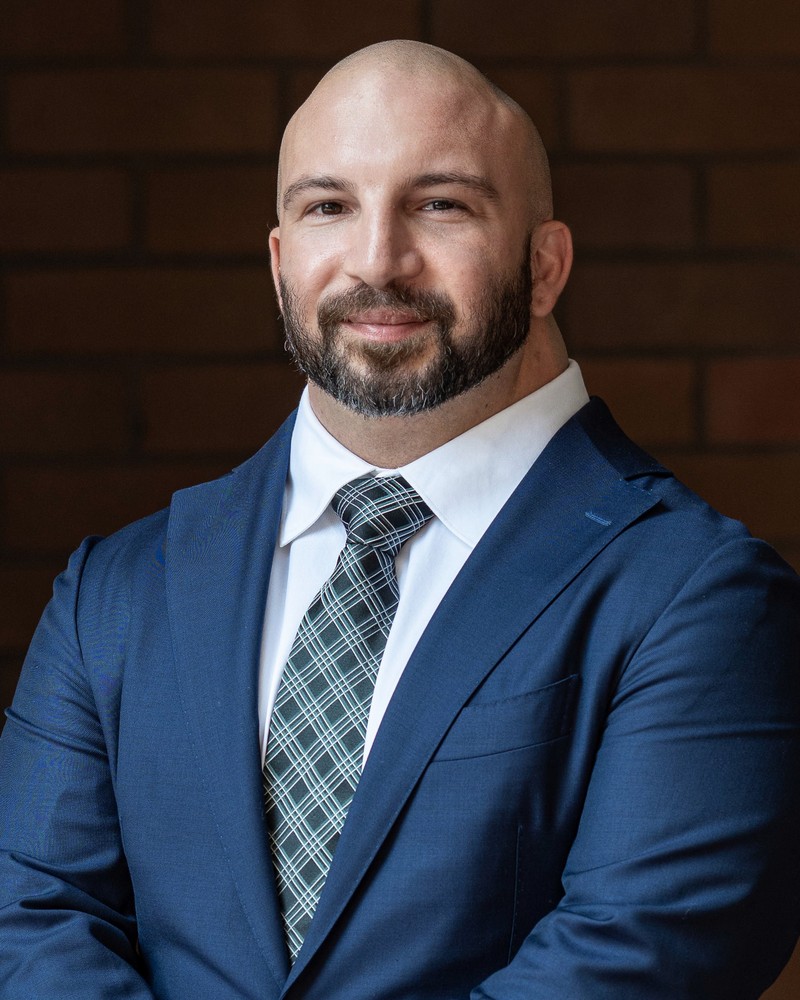 Ari Banayan
 Koorosh Banayan
 Amanda Moradzadeh
 Justin Zahabian
Talk to Our Team
Tell us what happened. Our team gathers the details, and an attorney reviews your situation. Free and confidential. No recovery, no fees or costs.